
A clunk or uneven tire wear can trigger a suspension parts order. But the sound alone rarely tells a workshop which component has failed.
Bad suspension symptoms may include knocking over bumps, excessive bouncing, uneven tire wear, pulling, unstable handling, or visible damage. These signs can involve control arms, bushings, joints, dampers, springs, or steering components. A qualified inspection must identify the fault before the replacement part is selected.
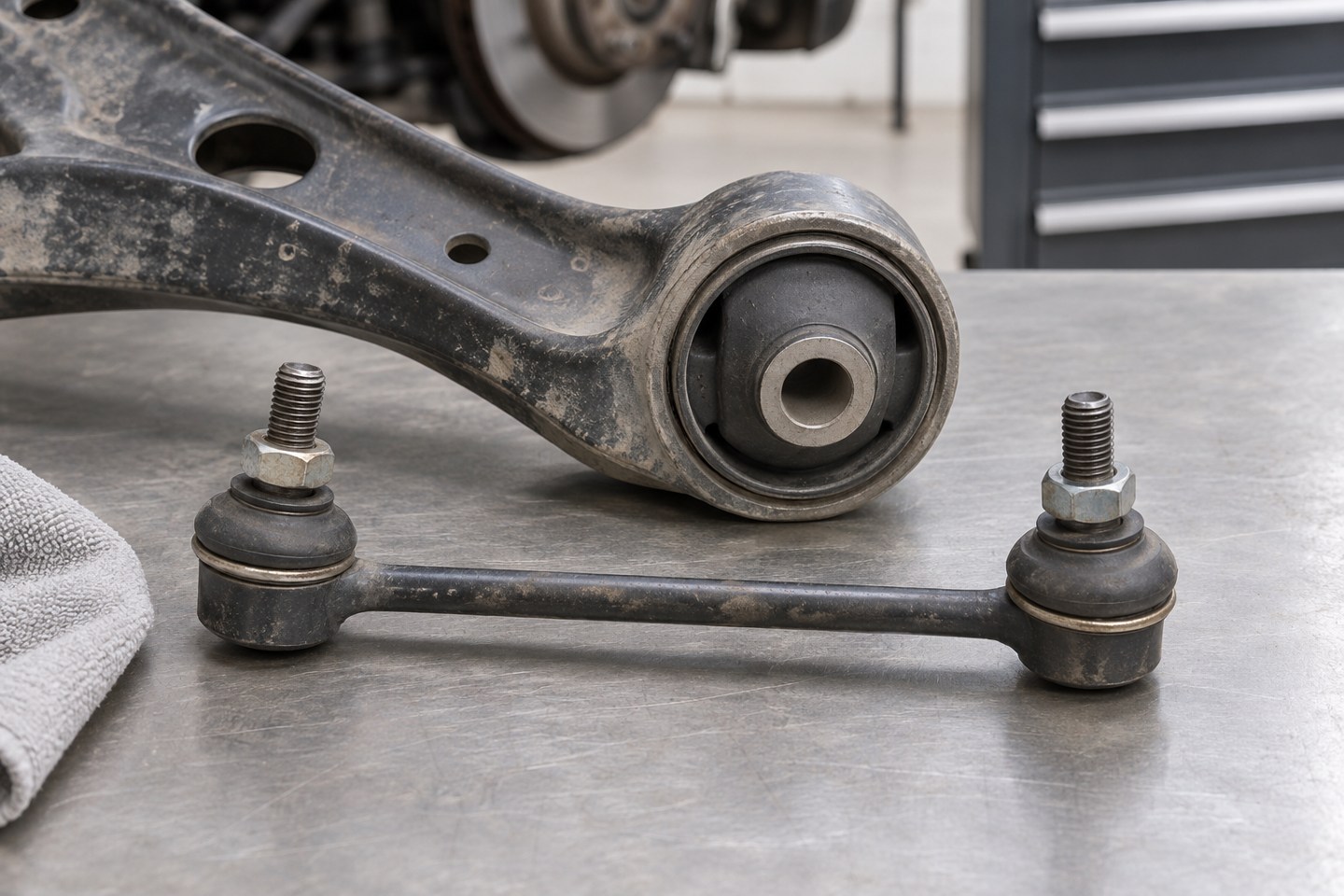
The goal is not simply to name ten warning signs. A repair shop must narrow the fault to a part, and an importer must then match that part to the vehicle’s exact suspension configuration.
What Are the Most Common Signs of Suspension Problems?
Several suspension faults feel similar from the driver’s seat. Ordering a control arm whenever a car pulls left may miss a tire or brake issue.
Common warning signs include clunks or squeaks, excessive bouncing, unusual body movement, wandering, pulling, irregular tire wear, and visible shock or air-suspension damage. These symptoms suggest a need for inspection rather than confirming a particular failed component.
Translate a driving complaint into a diagnostic question
A customer’s description is useful but incomplete. Ask whether the noise occurs on bumps, while steering, during braking, or when the vehicle accelerates. Does the car pull on a straight road, or only after a turn? Does the symptom occur with an unusual load? A pattern can help direct the inspection, but it should not be treated as a final diagnosis.
| Reported symptom | Possible areas to inspect | Important alternative explanation |
|---|---|---|
| Clunk over bumps | Stabilizer links, bushings, joints, strut mounts | Loose exhaust or another contact point |
| Difficult or imprecise steering | Steering and suspension joints, bushings, mounts | Power steering, tires, steering system faults |
| Excessive bouncing | Shock absorber or strut damping | Tire or road conditions, other suspension damage |
| Pulling or wandering | Suspension joints, bushings, steering geometry | Tire pressure, tires, brakes, wheel alignment |
| Uneven tire wear | Suspension play, wheel alignment, damping | Inflation, rotation history, tire condition |
| Vehicle corner sits low | Spring or air suspension support | Uneven load or unrelated vehicle-level issue |
| Excessive roll or swaying in turns | Dampers, anti-roll links/bushings, springs | Tire characteristics, loading, driving conditions |
| Pronounced nose-dive or rear squat | Damping and ride-control components | Braking condition, load and other chassis issues |
| Repeated bottoming over small bumps | Springs, dampers, bump stops, ride height | Overload, incorrect modifications or road conditions |
| Fluid around wheel area | Damper leak or another nearby system | Brake fluid or other fluid source |
Monroe’s worn shock and strut symptom guide documents bouncing, body roll, nose-dive and irregular tire wear. Those observations still require inspection of other chassis systems, not automatic damper replacement. The practical implication is that a symptom list should lead to targeted inspection, rather than an immediate quote for whichever part is most familiar.
For a parts business, the initial inquiry should include the complaint and the workshop’s confirmed fault location. That reduces confusion when several components occupy the same corner of a European multi-link suspension.
What Causes Clunking or Squeaking Over Bumps?
A noise from the front-left corner may seem easy to locate. Suspension forces travel through the body, so the audible location can mislead the diagnosis.
Knocking or squeaking over bumps can come from worn stabilizer links, bushings, ball joints, strut mounts, or other suspension and steering parts. The technician needs to inspect the actual joints and mounting points using the vehicle’s prescribed checks rather than guessing from sound alone.
Different links do different jobs
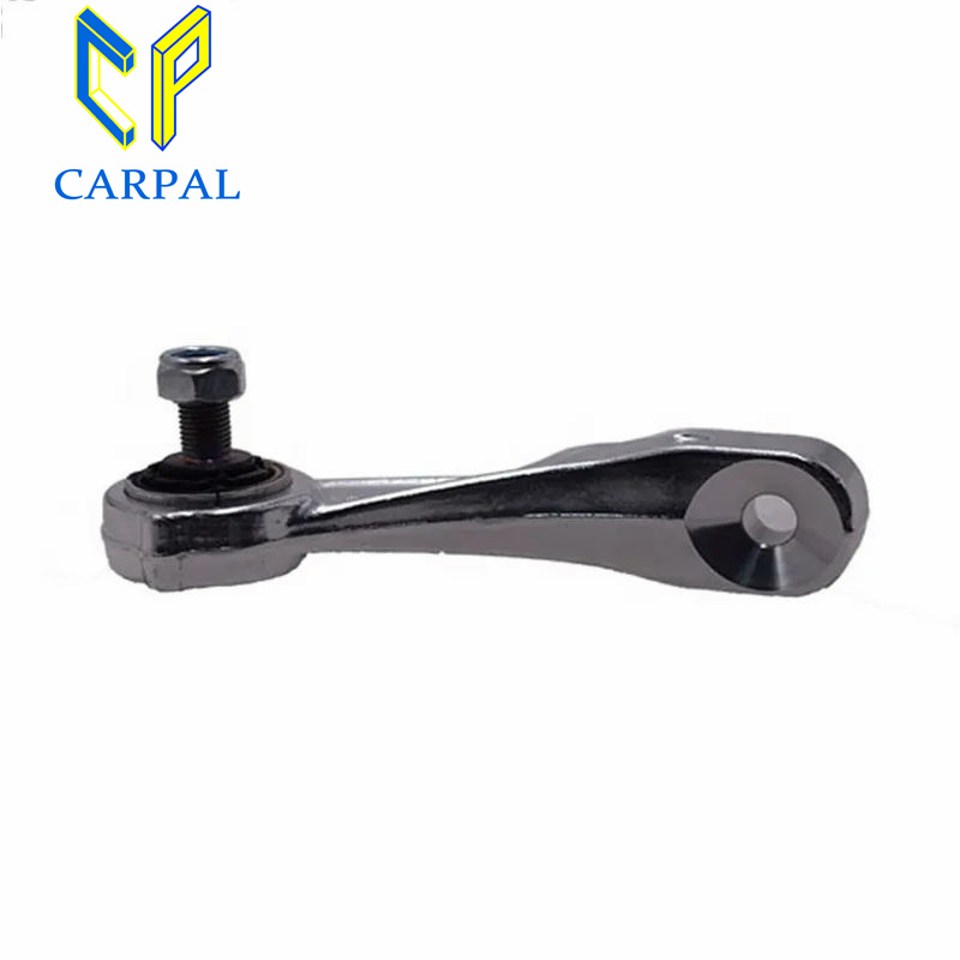
A stabilizer link connects the anti-roll bar to a suspension component. Wear at its ball joints or bushings may create a rattle or clunk over uneven roads. A control arm, by contrast, locates part of the wheel assembly and manages different loads and movements. A damaged control-arm bushing can allow movement under braking or cornering. A ball joint may have its own play or damage. These parts can be close together, but they cannot be identified by the generic phrase “front suspension link.”
The way a noise changes with vehicle load and steering position may guide testing. It cannot replace an inspection of mounting hardware, joint condition, rubber components, and adjacent structures. Some suspension joints are designed to move in specific ways, so a technician should use the manufacturer’s inspection method rather than treating every visible movement as a fault.
A parts order should capture the front or rear axle, left or right side, and exact link position. A multi-link suspension may contain several arms with similar names. A picture of a lower arm is not enough to decide which of two nearby links is required.
Carpal offers a stabilizer link category with separately listed left and right Mercedes-Benz components. Those are examples of catalog distinction, not evidence that either listing matches a vehicle simply because the owner hears a noise. The workshop should confirm the failed component before asking for a quote.
Why Can Suspension Problems Cause Pulling or Uneven Tire Wear?
Irregular tire wear is easy to see, but the tire is not always the source of the problem. Poor inflation and alignment can resemble worn suspension links.
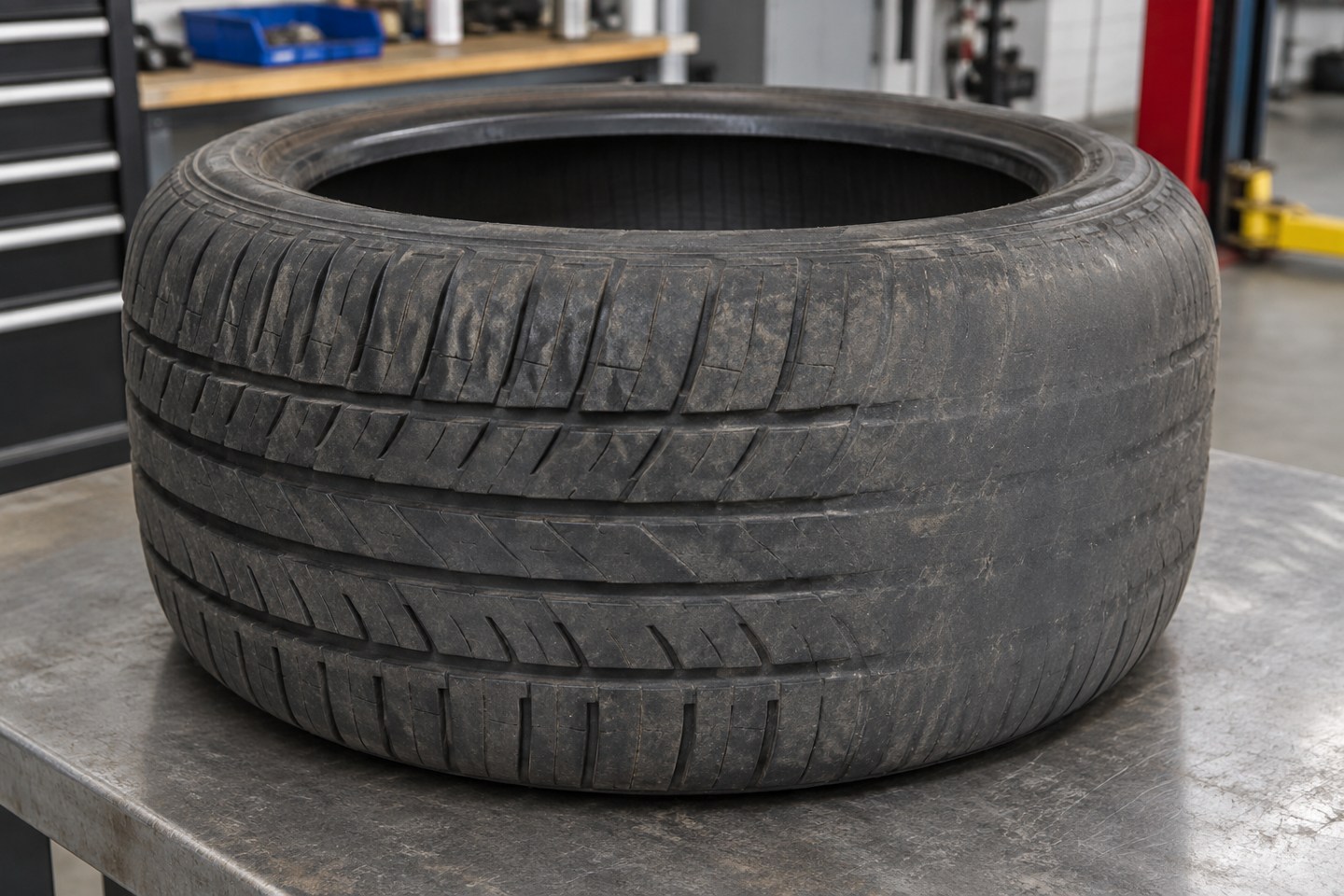
Worn bushings or joints may allow unwanted wheel movement, while worn dampers can affect how the tire maintains road contact. Both may contribute to abnormal wear. Tires, brakes, steering, and alignment must also be checked before assigning the cause to suspension components.
Look for patterns without making a diagnosis from the pattern alone
A vehicle that pulls may have a tire-pressure difference, tire construction issue, brake drag, alignment problem, or worn steering or suspension part. A workshop should measure and inspect rather than replace parts based on the direction of the pull. A tire with cupped or scalloped wear can suggest poor control of wheel movement, but tire balance, pressure, and other conditions still need evaluation.
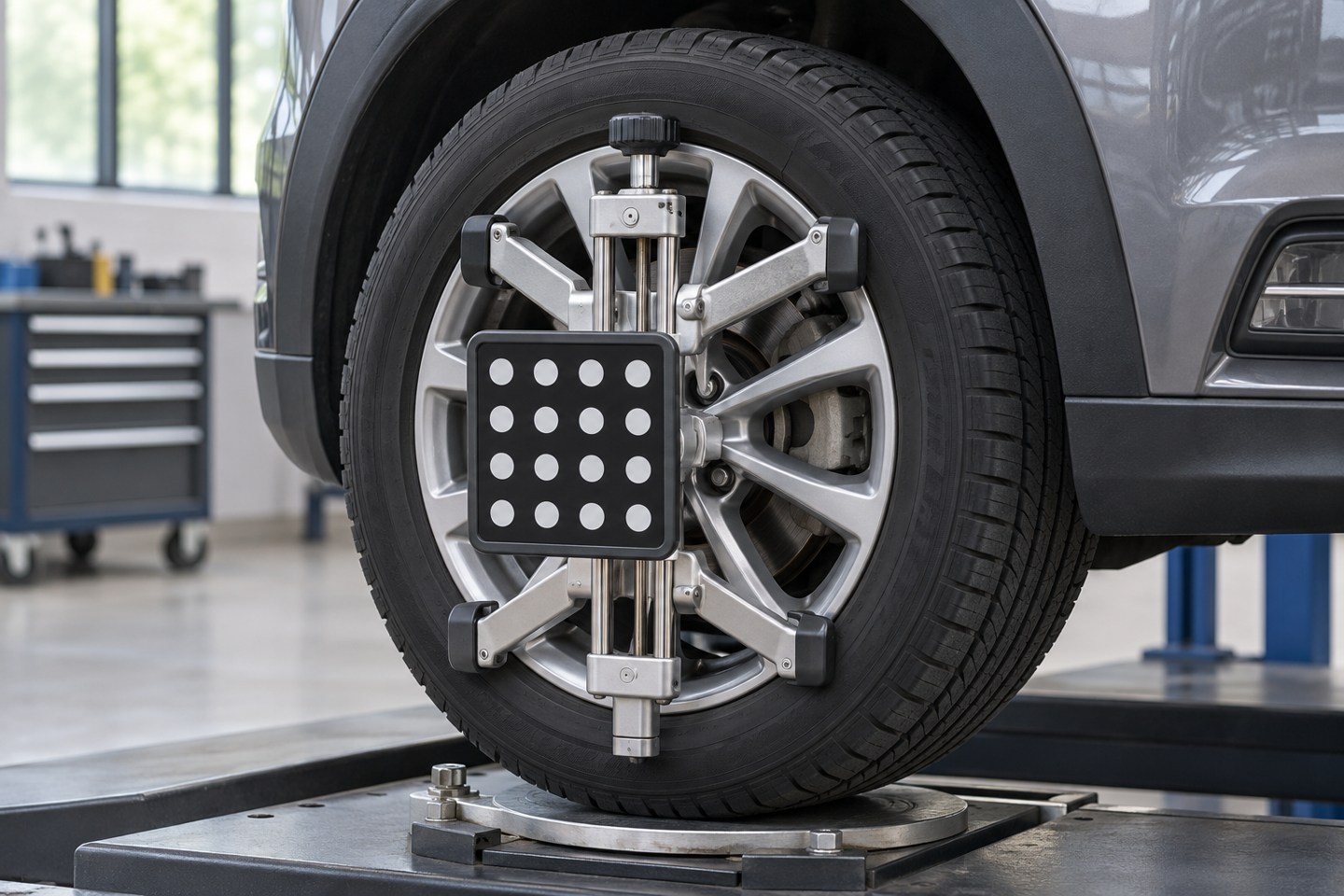
Suspension geometry depends on the relationship between the vehicle structure, wheel carrier, and the links that position it. When an arm or bushing is loose or damaged, wheel alignment may change during braking or travel. That can lead to unstable handling or tire wear. But an alignment reading by itself does not prove a particular arm is damaged. A technician must inspect the physical parts and confirm the actual fault.
After replacing a component that affects wheel geometry, the applicable alignment and tightening procedures should be followed. Some rubber-bushed mounting points require tightening at a specified ride-height position. Using an arbitrary torque or tightening position may damage the bushing or change its operating behavior. Only the vehicle-specific service documentation can establish those requirements.
For buyers, the useful distinction is between an alignment service, a tire problem, and a verified replacement-part need. A distributor should request the exact failed reference and side before quoting; a report that merely says “uneven tires” does not identify the SKU.
How Do Worn Shocks, Struts, and Air Suspension Parts Behave?
A car that bounces may need damping work, but not every ride-height or vibration complaint comes from the same component. Air suspension adds another layer of possible faults.
Worn dampers may permit excessive body movement, and a damaged strut mount may cause noise or steering issues. An air-suspension fault may affect ride height or trigger a warning. The correct diagnosis depends on whether the vehicle uses conventional springs, an integrated strut, or air suspension.
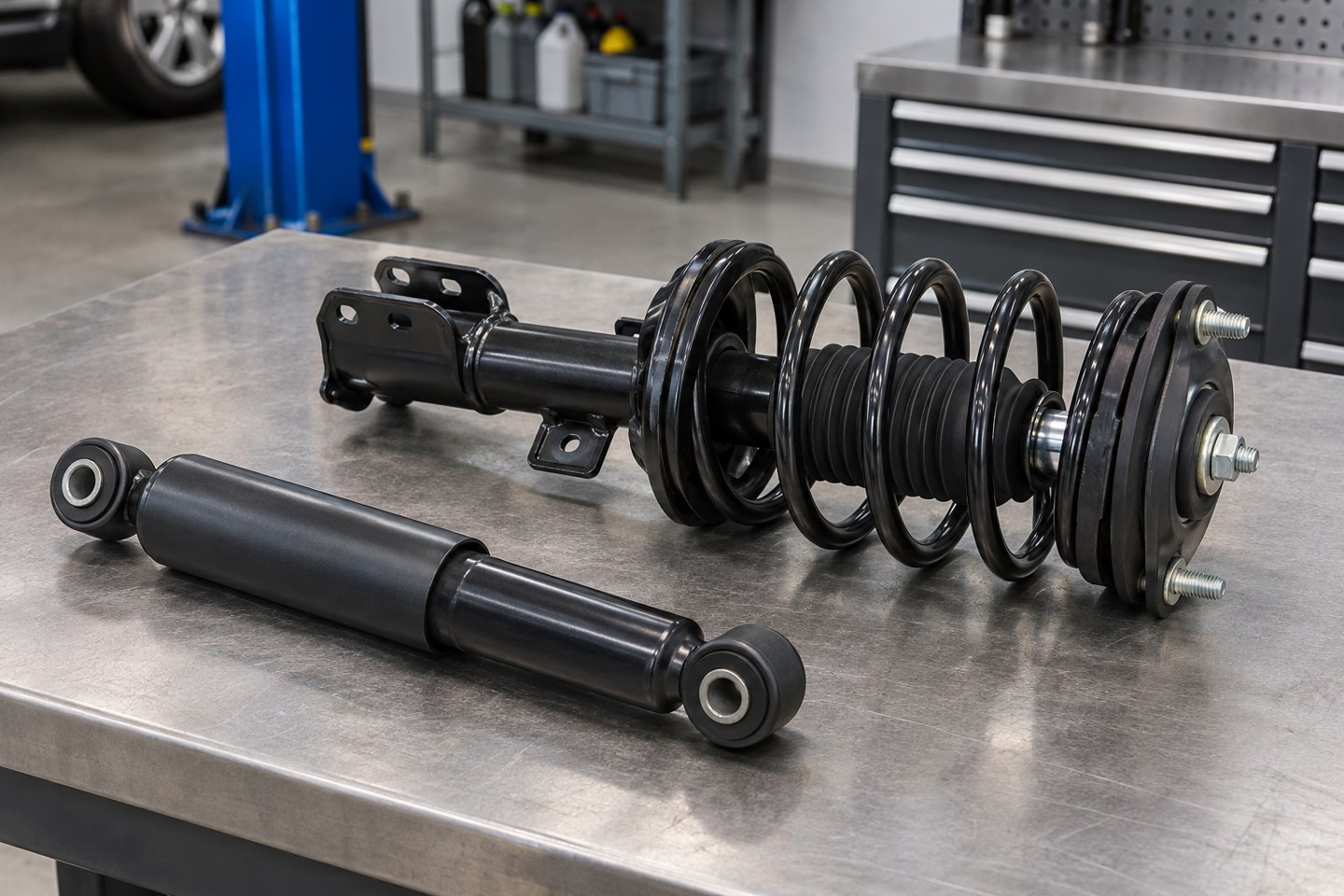
Do not treat all vertical suspension units as interchangeable
A shock absorber mainly controls oscillation. A strut is part of a suspension arrangement that also serves a structural locating role. An air spring supports the vehicle differently and may be combined with damping or electronic control features. These are simplified distinctions; the installation and system design vary widely by vehicle.
A worn damper can lead to repeated body movement after a disturbance. A leaking damper may show oil on its body, but moisture or fluid around a wheel should be positively identified because brake-system leakage presents a different safety concern. Monroe’s physical shock and strut inspection guidance recommends examining mounts, bushings, leaks, damage and other connected parts, which illustrates why the damper itself is not the only suspect.
Air suspension can require system-level diagnosis of air lines, springs, valves, sensors, compressor operation, and electronic controls. A vehicle sitting low at one corner does not prove the strut, compressor, or electronic controller is defective. Safe service procedures are essential because air systems and suspension components can store energy or support heavy loads.
Carpal has a separate air suspension parts category. Its presence does not mean every compressor, strut, and application is currently available. Buyers should identify the exact suspension type and verified OE reference before treating a category name as a fitment result.
How Should a Workshop Diagnose Suspension Faults Safely?
A quick bounce test or noisy road test can help describe a complaint. It cannot replace a proper inspection of safety-critical components.
Professional suspension diagnosis uses vehicle history, tire and wheel checks, a suitable visual inspection, and manufacturer-approved tests for joints, bushings, dampers, and steering connections. The technician must confirm the failed component and installation position before recommending replacement.
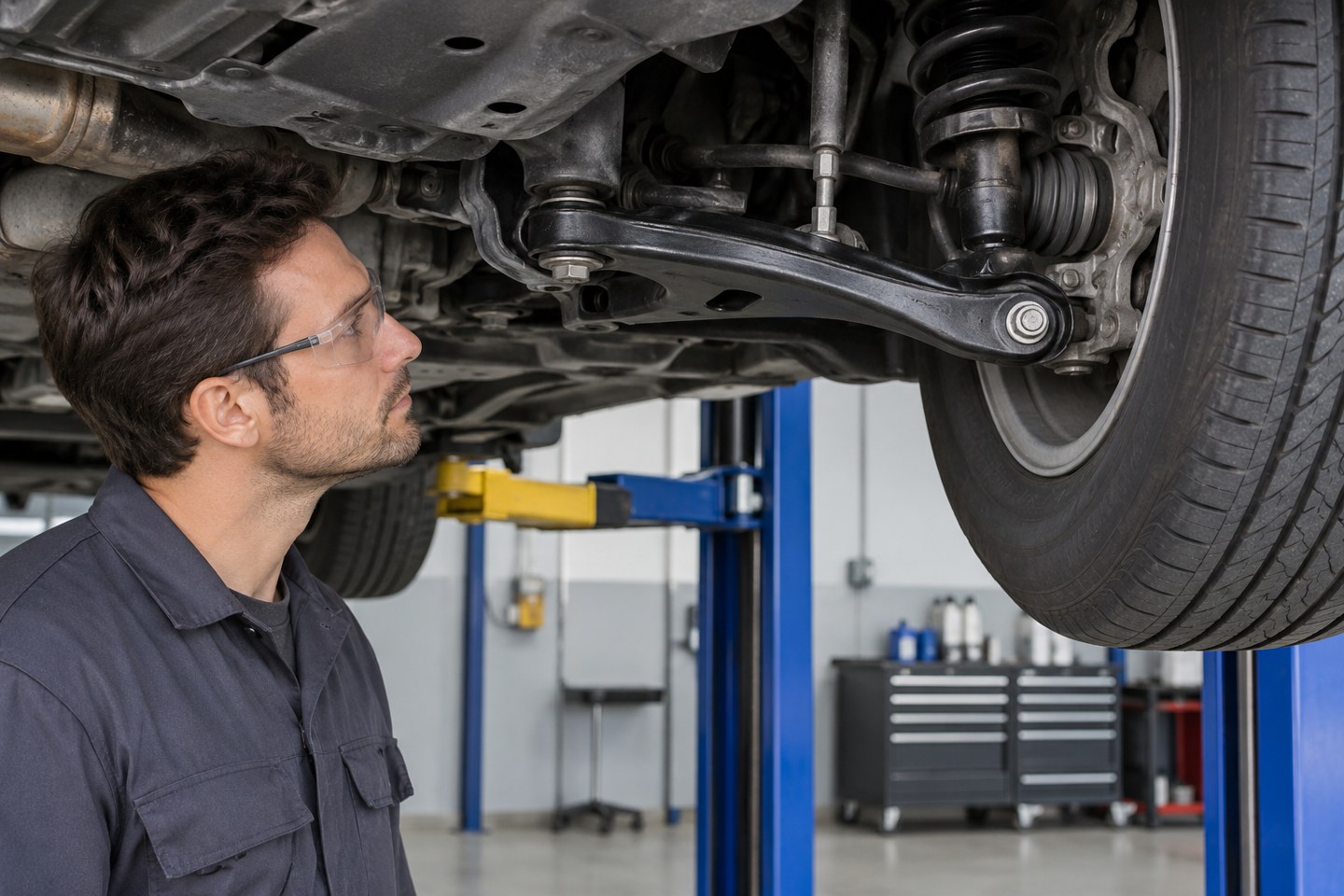
A repeatable inspection is better than a guessed part
Record when the issue occurs, the vehicle’s loading conditions, and any collision or curb-impact history. Start by checking tires, wheels, obvious damage, fasteners, and fluid leaks. Then inspect the relevant joints and links using the prescribed method. A professional lift and suitable supports are important; steering and suspension components carry loads and can move unexpectedly if handled incorrectly.
Different joint designs permit different movement. A technician should not apply the same pry-bar force, allowable-play value, or inspection procedure to every ball joint and control arm. Springs and air-suspension components may also store significant energy. Do not loosen loaded suspension parts or air lines without approved equipment and training.
The final diagnosis should identify the failed item, its location, and why replacement is necessary. A photographic record is useful for distributors and service managers. A repair order that says “suspension noise” may need several checks before it becomes a purchasing order for a specific arm, link, damper, or mount.
When a vehicle shows severe steering instability, a visibly separated joint, or another condition that may affect control, it should not be treated as a routine noise complaint. The vehicle must be assessed for safe operation before further driving. That safety distinction is important in educational content as well as in after-sales communication.
How Can B2B Buyers Match the Right European Suspension Parts?
Two Mercedes-Benz arms may look similar while fitting opposite sides. An incomplete order can also confuse a stabilizer link with a control arm or strut mount.
Use a verified OE number, VIN or complete vehicle details, suspension type, axle, installation side, and precise link or unit position. Confirm physical connections and assembly contents before ordering, then check stock, MOQ, lead time, packaging, and warranty for each SKU.
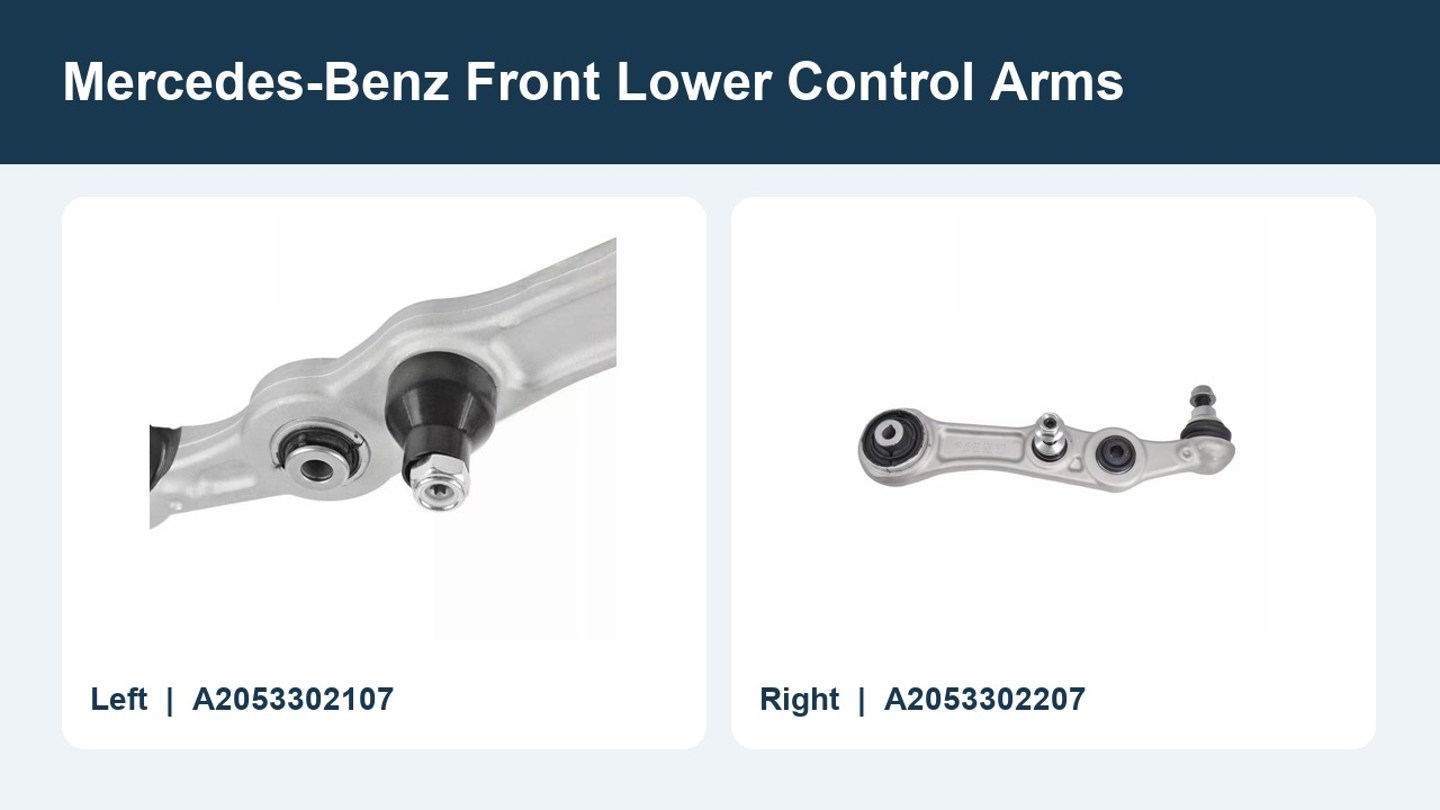
Convert the diagnosis into an unambiguous parts list
Mercedes-Benz left and right control arm references. Carpal lists Mercedes-Benz front lower control arm left OE A2053302107 and a separate front lower control arm right OE A2053302207 in its control-arm category. They illustrate distinct left/right ordering lines—not general substitutes for one another and not proof of fitment on every C-Class model. A qualified VIN/OE application check must precede quotation.
A fault-report-to-purchasing handoff should distinguish a symptom (“front-end clunk”) from a confirmed part (“front lower left arm, exact reference verified”). Otherwise buyers may receive technically valid parts for the wrong location.
European multi-link suspensions often contain multiple separate arms. A simple description such as “front lower arm” may be inadequate when the vehicle uses forward and rearward links or more than one attachment design. Buyers should record the part’s exact position, connection details, OE reference, and assembly contents. Do not assume that a replacement arm includes the same ball joint, bushing, or fastener set as another brand’s listing.
Carpal’s control arm catalog includes separate left and right Mercedes-Benz references. These product examples show why installation position matters, not that any listed arm fits every vehicle within a broad chassis family. For mixed-SKU orders, list each reference separately and request confirmation where the vehicle configuration is uncertain.
| Purchasing field | Why the buyer needs it |
|---|---|
| OE number and verified application | Supports correct part identification |
| VIN, chassis, engine, and model date | Helps resolve configuration differences |
| Front/rear and left/right position | Prevents side or axle substitution |
| Link location or strut type | Distinguishes similar suspension parts |
| Electrical or air connections | Essential for some active or air systems |
| Contents and packaging | Clarifies what the receiving workshop gets |
After fitment is confirmed, send Carpal the OE-based inquiry and ask the supplier to verify quantity, available packaging, lead time, current stock, and product-specific warranty conditions. For private-label orders, approve the labels and reference data before shipping. Traceable OE and application information should appear consistently on the quotation, warehouse label, and buyer’s own catalog.
A useful distributor response does not promise that one part will solve a noise. It confirms that a properly diagnosed component can be sourced and matched to a documented vehicle application. This is the bridge between helpful suspension education and qualified B2B inquiries.
Conclusion
Suspension symptoms are clues, not part numbers. Confirm the failed component through safe inspection, then verify OE references, position, vehicle configuration, and purchasing details.