
A rough idle may tempt a workshop to order spark plugs immediately. But an ignition coil, injector, or engine problem can create similar symptoms and waste that order.
Replace spark plugs at the vehicle manufacturer’s specified service interval, or sooner when inspection confirms wear, fouling, damage, or another condition requiring replacement. Misfires, rough idling, and poor acceleration are warning signs, not proof. Match new plugs to the exact engine specification before ordering.
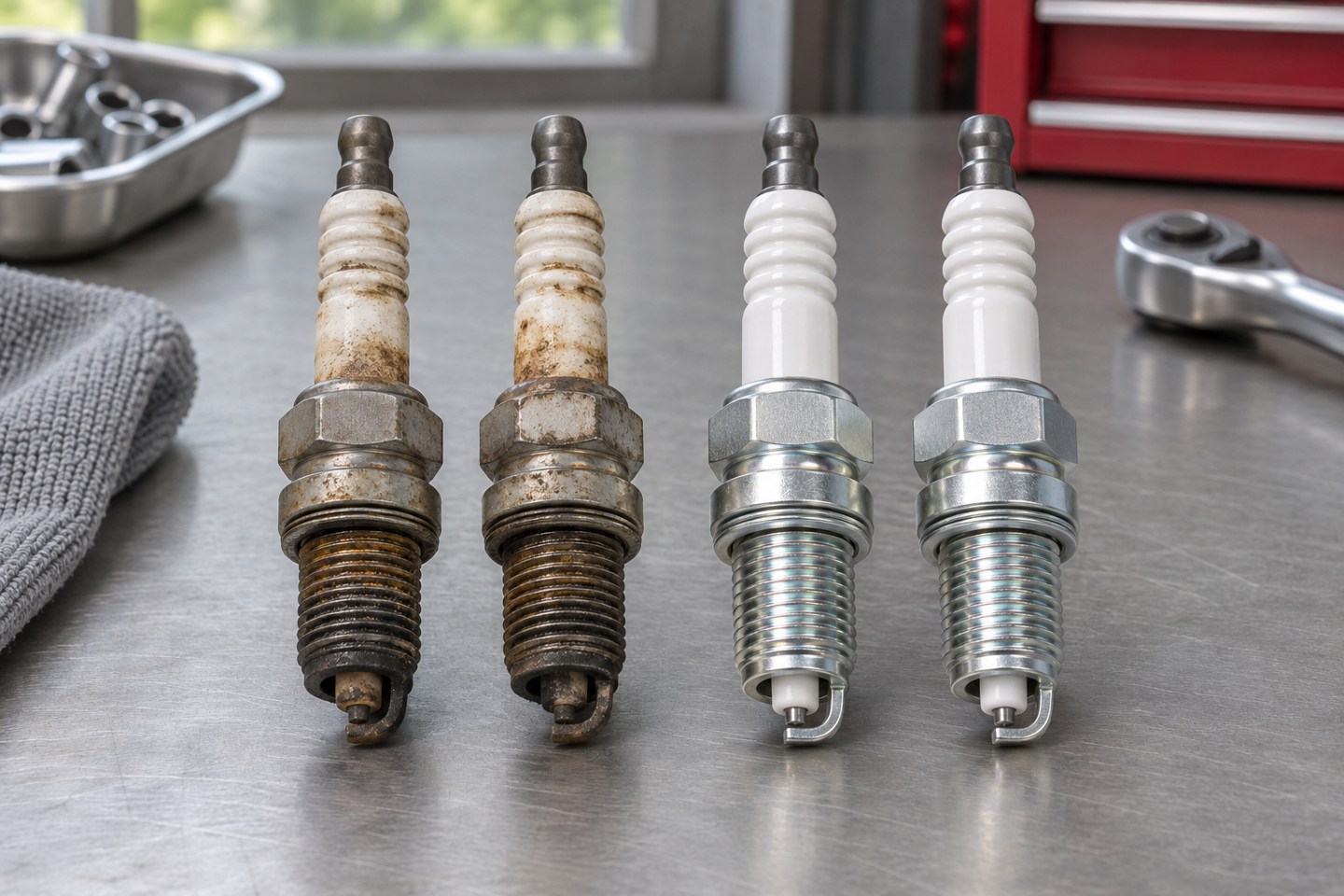
For a vehicle owner, the question is when service is due. A professional buyer also needs to know why a set is required and which approved plug reference belongs to the engine. These are separate decisions.
How Often Should Spark Plugs Be Replaced?
An interval printed on a generic chart may look convenient. Following it without checking the engine can replace good plugs early or leave worn plugs in service.
Spark plug replacement intervals vary by vehicle, engine, and approved plug design. Follow the manufacturer’s maintenance schedule for the exact application. Platinum and iridium electrodes may last longer in suitable engines, but electrode material alone never establishes an approved service interval.

Why a fixed mileage number is not enough
Consumer guides illustrate why a single mileage number is misleading: Kelley Blue Book cites roughly 25,000–30,000 miles for some conventional copper plugs and 60,000–100,000 miles or more for some platinum and iridium designs. These are examples, not an approved interval for any specific BMW, Mercedes-Benz, Audi or Volkswagen engine.
Spark plugs fire repeatedly under high temperature and pressure. Over time, their electrode edges can round off and the firing gap may change as material wears away. That can increase the voltage required to produce a spark. However, engine conditions, plug construction, calibration, and maintenance history influence how quickly this becomes a service issue.
Those broad mileage ranges are illustrative, while NGK’s spark plug replacement guidance emphasizes the vehicle-specific maintenance requirement. A performance or turbocharged engine may not share the maintenance schedule of another engine using a similar-looking plug. Even two engines within the same vehicle brand can specify different electrodes or gaps.
A distributor should therefore keep an application-specific maintenance reference instead of one generic interval across its catalog. A workshop order should identify whether replacement is routine scheduled maintenance or an investigation of a current fault. If the vehicle is already misfiring, further diagnosis may be needed before supplying plugs.
Extended-life is not a synonym for lifetime. Conversely, a lower-priced plug is not automatically suitable for an earlier service interval in an engine designed for a different product. The correct combination is an approved plug and the maintenance period specified for that vehicle. There is no reliable reason to replace all the plugs in a fleet at the same mileage without confirming the fleet’s engine applications.
What Symptoms Suggest Spark Plugs Need Replacing?
Hesitation and rough running often trigger a plug order. These signs also appear with coil faults, air leaks, fuel problems, and mechanical engine issues.
Possible signs of worn or fouled spark plugs include misfires, hard starting, unstable idle, hesitation, and reduced fuel economy. None identifies the spark plugs as the sole cause. A professional diagnosis should combine service history, scan data, and component inspection.

Use symptoms to direct testing, not decide the invoice
A misfire can feel like a shake or hesitation. Some vehicles illuminate a malfunction indicator or store a cylinder-related diagnostic trouble code. A flashing malfunction indicator may signal an active misfire with catalytic-converter risk; the driver should follow the vehicle’s safety instructions and seek prompt professional help. These details can help narrow the investigation, but a code identifying a misfiring cylinder does not establish whether its spark plug, coil, injector, or compression is responsible. The technician should follow the engine manufacturer’s process and observe ignition-system safety requirements.
| Reported symptom | Possible spark plug link | Other causes to consider |
|---|---|---|
| Hard starting | Worn electrodes or heavy deposits | Battery, fuel delivery, sensors, compression |
| Rough idle | Inconsistent ignition of the mixture | Ignition coils, air leaks, fuel or engine faults |
| Hesitation or misfire under load | A spark may not occur reliably under pressure | Coil, wiring, fueling, mechanical condition |
| Higher fuel use | Poor combustion related to misfiring | Driving conditions, sensors, other engine faults |
| Check-engine light or cylinder-specific misfire code | Faulty plug may contribute to misfire | Coil, injector, air/fuel, compression or wiring faults |
| Persistent flashing check-engine light | Active misfire may risk catalyst damage | Stop driving safely and arrange diagnosis according to vehicle warnings |
If a plug is damaged or heavily fouled, the workshop should investigate the cause before fitting another identical plug. Oil entering the combustion chamber, an unsuitable plug specification, or an engine running problem can damage the replacement as well. Repeated plug sales without diagnosis may lead to repeated customer complaints.
For spare-parts buyers, request the service interval, symptom description, engine code, and any verified diagnostic findings. This helps distinguish scheduled stock replenishment from an urgent repair order. It also prevents a supplier from implying that one common symptom proves that every plug on the engine needs replacement.
What Does a Worn or Damaged Spark Plug Look Like?
A black or wet spark plug can make diagnosis appear obvious. But the appearance may reflect the engine’s running condition rather than a faulty plug alone.
Worn spark plugs may show rounded electrodes, an increased gap, heavy carbon deposits, oil contamination, cracked insulators, or heat damage. The appearance helps guide inspection, but it must be interpreted with vehicle operating conditions and other test results. Do not diagnose the entire engine by plug color alone.

Inspect the entire firing end
A new plug typically has clearly defined electrode features according to its design. Used electrodes may erode and change shape. Heavy black deposits may interfere with firing, but a deposit does not identify a single root cause. A wet firing end may involve fuel or oil; a cracked ceramic insulator or damaged electrode raises another set of concerns. These conditions deserve qualified inspection before the engine returns to service.
The NGK spark plug reading guide describes how deposits, excessive heat, and electrode wear can reflect combustion conditions. Its explanations support a careful inspection approach, not the assumption that a photograph can establish every fault. The condition of one plug should be compared with others from the same engine when the service method permits it.
A useful inspection record can include the plug’s cylinder position, part number, photographs of the firing tip and insulator, and the vehicle’s reported symptoms. If the electrodes show abnormal wear soon after installation, check whether the installed plug was the approved specification. Heat range, installation conditions, engine operation, and the selected plug design may all matter.
Do not clean or regap a modern fine-wire electrode automatically. The service manual and plug maker’s instructions determine whether such handling is permitted. For distributors, providing an approved replacement may be safer and more predictable than selling a generic product based only on a similar thread size or overall length.
Why Do Some Spark Plugs Wear Out Earlier Than Expected?
A plug that fails soon after installation may be blamed on low quality. Incorrect selection or an unresolved engine problem can cause early damage too.
Early spark plug trouble may involve incorrect specifications, unsuitable installation, deposits, overheating, engine oil or fuel problems, or an ignition-system fault. The workshop should identify the cause rather than simply installing another plug with the same description.

Separate product wear from application problems
The spark plug operates inside a combustion chamber, so its environment is controlled by more than the plug itself. A rich mixture may contribute to carbon deposits, while oil-control problems can contaminate the firing end. Excessive heat or an unsuitable heat range can damage electrodes. An ignition fault may create misfires even when the plug is mechanically sound.
An incorrect plug can introduce its own risks. The thread diameter, thread reach, seat type, electrode design, projection, and electrical characteristics must meet the engine’s requirements. A plug that physically screws into the cylinder head is not automatically compatible. Even the correct product can fail if installed without following specified tightening and handling instructions.
When a workshop reports early failure, request both the old plug reference and the supplied reference. Check the application record, relevant installation history, and whether the damage affects one cylinder or several. A pattern across multiple plugs can point toward a shared operating condition, while a problem limited to one cylinder may require focused testing. Neither pattern is conclusive without diagnosis.
For a wholesale supplier, this evidence is essential to quality control and after-sales discussions. It reduces the temptation to label every misfire a defective plug. If an installed plug is outside the manufacturer’s approved specification, the first task is correcting the catalog or selection error—not repeating the same shipment.
How Do You Match the Correct Spark Plugs for European Cars?
Two spark plugs can share a thread size and still have different operating specifications. A visual match is not enough for modern European engines.
Select spark plugs using the verified OE reference or approved application catalog, engine code, production details, and specified plug design. Confirm thread, reach, seat, heat range, electrode configuration, and any gap or installation requirement that applies to that engine.
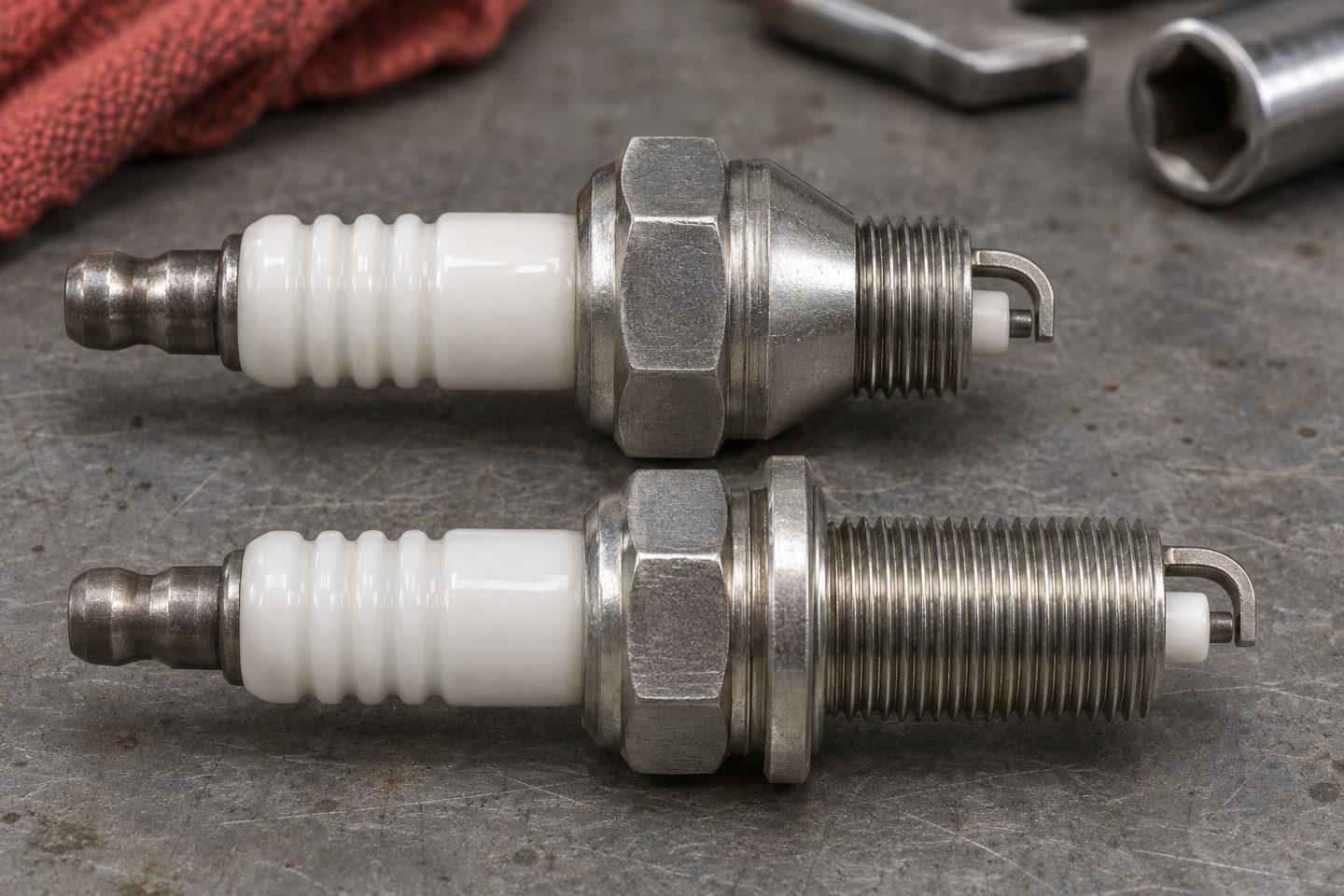
Match the engine, not simply the badge on the hood
BMW, Mercedes-Benz, Audi, and Volkswagen vehicles can use different gasoline engines within one model family. A model name and a broad year range may therefore produce more than one candidate reference. The buyer should obtain the VIN where possible, verify the engine code, and check the official or qualified supplier application data before selecting a plug.
The word OEM is not a reliable substitute for specification detail. A genuine branded plug, an OE supplier’s replacement, and a general aftermarket plug may have different sourcing arrangements. What matters to fitment is whether the exact product is approved for the target application. Do not assume that a premium electrode material makes an unlisted plug compatible.
Carpal currently lists an ignition coil for Mercedes-Benz under reference A1779069500 within its ignition coil category. That is a related ignition component, not a spark plug, and its OE number must never be used as a spark plug reference. For spark plug sourcing, confirm availability for the exact OE reference with the supplier.
For buyers sourcing spark plugs through Carpal, the correct approach is to send the original reference, engine and vehicle details, required quantity, and any approved substitute information. A supplier confirmation is needed before claiming a particular plug is available or interchangeable. That distinction protects repair shops and online sellers from publishing unsupported fitment tables.
What Should Wholesalers Check Before Ordering Spark Plugs in Bulk?
A bulk plug order may contain several engines and product grades. One wrong heat range or pack quantity can create problems across many workshops.
Wholesalers should confirm the exact application and approved part number, packaging quantity, product condition, batch identification, required quantity, stock, lead time, and warranty arrangements. Orders should separate plugs from coils and other ignition components and preserve supplier fitment confirmation.
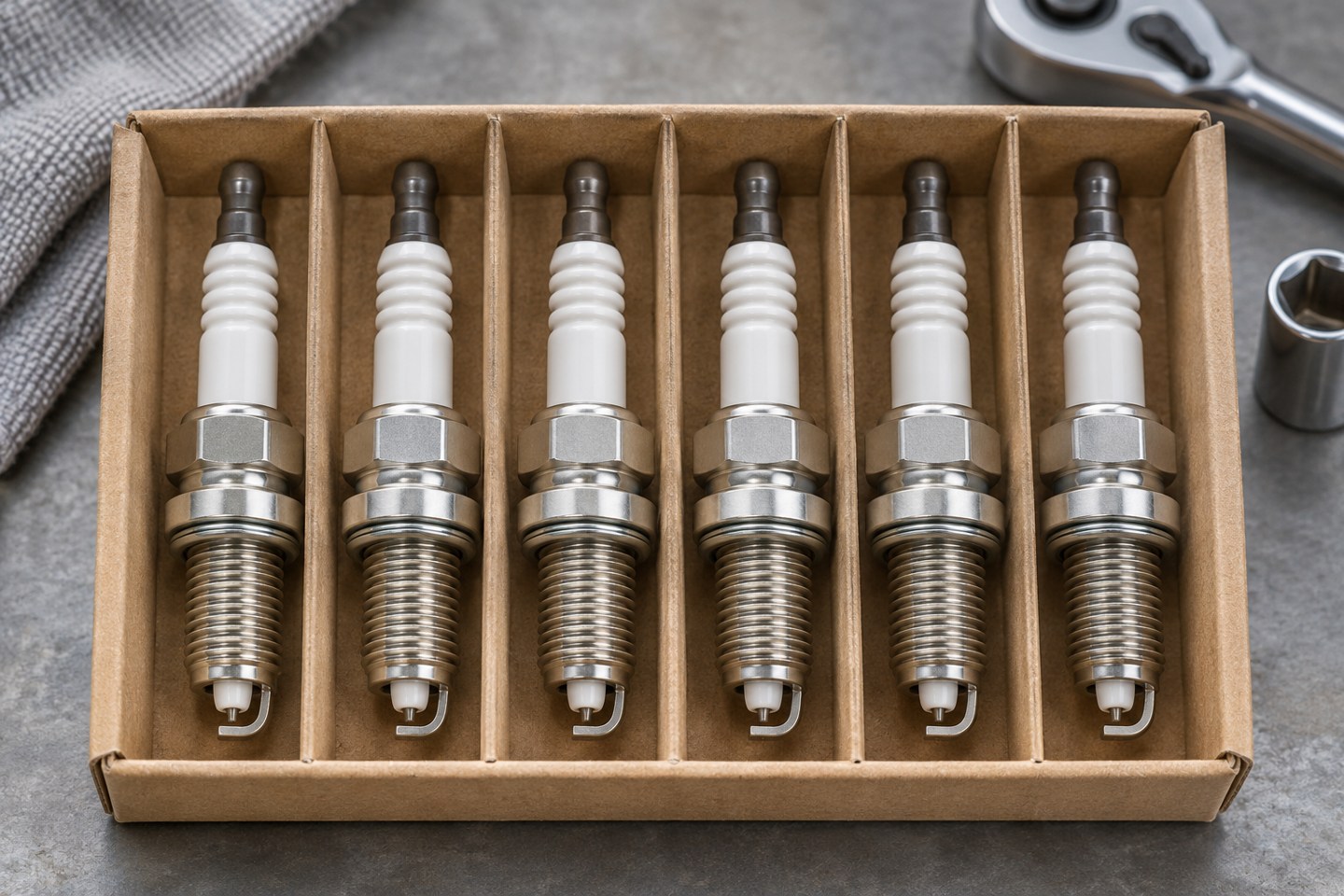
Make a service request usable for purchasing
Build a line-item list with one verified plug reference per row. Include the vehicle make, chassis or platform, engine code, production date where relevant, requested quantity, and target market. If the buyer wants a cross-reference, identify the original number and ask for confirmation of the proposed alternative. Never fill a missing OE number with a guessed equivalent from an image search.
A buyer-ready spark plug RFQ row can use this format: OE reference or verified plug number | vehicle/VIN or engine code | production details | plug design/specification | individual plugs per pack | requested quantity | target market. If the shop has only a symptom description, mark part identification pending diagnosis rather than issuing a guessed interchangeable reference. Include the service schedule or old plug markings when available.
For online aftermarket sellers, keep replacement-interval guidance on the information page and application data on the SKU page. That helps prevent a generic “100,000-mile iridium plug” phrase from becoming an unsupported fitment promise.
Commercial details matter after the technical match. Ask how many individual plugs are in a box, whether the quoted price is for one plug or a pack, how the batch is marked, and whether packaging suits the destination market. When discussing a private-label order, ask for approved branding arrangements instead of promising that any listed component can be relabeled. Confirm stock and timing for each reference rather than relying on a general warehouse statement.
A professional distributor should also communicate installation cautions without publishing unsupported universal torque or gap figures. Those values depend on engine and plug design. The vehicle workshop must follow the approved service documentation. After-sales claims should contain the original order reference, engine application, photographs, failure description, and relevant installation or diagnostic findings.
Buyers can browse Carpal’s parts catalog and request an OE-based sourcing confirmation with engine details and quantities. Carpal’s existing coil listing provides context for the ignition system but does not establish plug-stock availability. Accurate identification and honest scope are more useful to a long-term parts buyer than an unsupported claim that one “universal” plug fits many European models.
Conclusion
Replace spark plugs by the approved service schedule or confirmed condition. Diagnose symptoms first, then verify engine-specific plug specifications and wholesale order details.